
📌 New Import Duty Suspensions Support UK Manufacturers
On 5 August, HM Treasury introduced its latest schedule of autonomous duty suspensions and tariff quotas, providing eligible businesses with reduced or suspended import duties on a range of goods.
The measures are intended to support UK manufacturers by reducing duties on selected raw materials, specialised chemical products and industrial components that are not readily available from domestic sources.
The suspensions are scheduled to remain in place until December 2028. Businesses wishing to benefit from the measures should ensure imported goods meet the relevant tariff classifications, eligibility criteria and any applicable origin requirements before claiming the relief.
📌 Shipping Lines Update Demurrage and Detention Charges
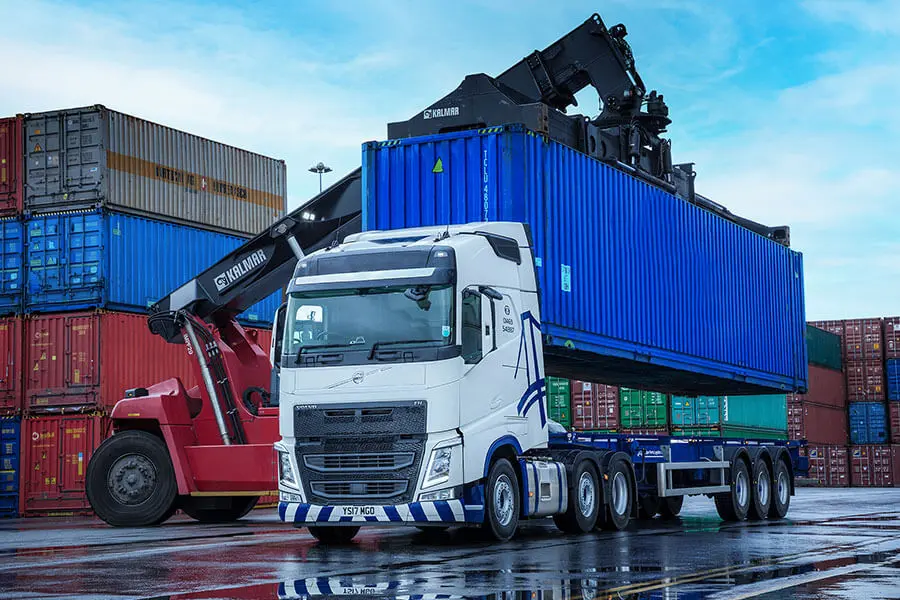
Importers and freight forwarders are reviewing revised container detention and demurrage charges introduced by several shipping lines, including updated UK tariffs published by Maersk.
The revised charging structures include changes to free storage periods and daily detention and demurrage rates. Shipping lines have indicated that the revisions are intended to support efficient container movements and port operations.
Businesses may wish to review container collection and return processes to minimise avoidable storage charges and maintain efficient supply chain operations.
📌 HMRC Enhances GVMS Validation Checks at UK Borders
HM Revenue & Customs (HMRC) has introduced enhanced automated validation checks within the Goods Vehicle Movement Service (GVMS) to support compliance at roll-on/roll-off (RoRo) and container ports.
The updated validation processes are designed to identify incomplete Goods Movement Records (GMRs), invalid or missing Movement Reference Numbers (MRNs), and discrepancies between vehicle registration details and submitted customs information before vehicles arrive at the border.
Hauliers and logistics operators should ensure that GMRs are complete, pre-lodged and accurately linked to the relevant vehicle before travel. Maintaining accurate customs data will help reduce the risk of delays or refusal to board at ports where GVMS requirements apply.
Related Posts


Recent Posts

To read more of our news and updates please visit our page


 English
 Dutch
 French