20th August 2026
📌Planning Breakthrough: England Introduces Dedicated Freight Policy in NPPF
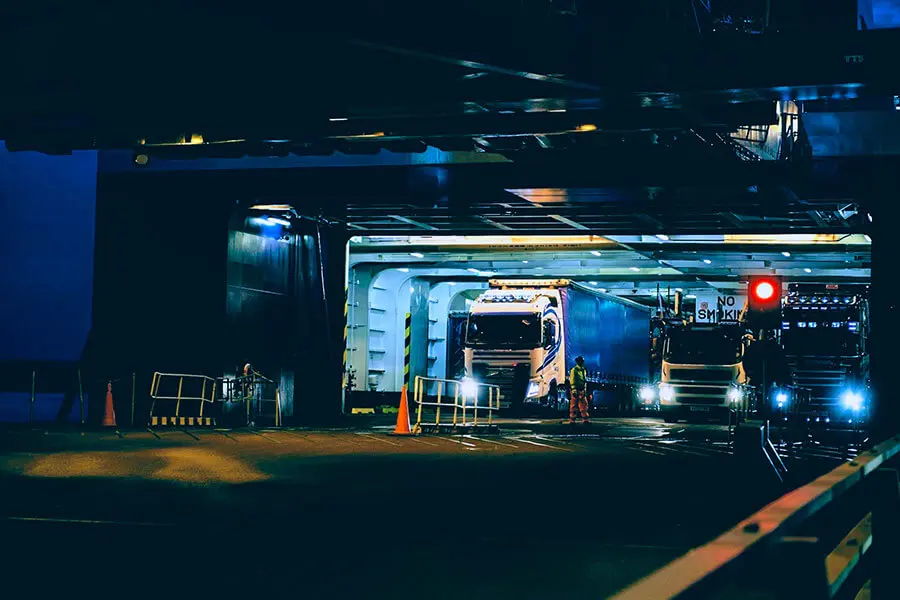
In a significant policy shift for industrial development, the UK government has formally embedded a dedicated freight and logistics policy (Policy E3) within England’s new National Planning Policy Framework (NPPF).
The updated rules require specific development plans to accommodate transport links, zero emission charging infrastructure, and the operational necessity of 24/7 nighttime distribution.
Crucially, the policy strengthens protections for roadside driver facilities and mandates the expansion of secure overnight HGV parking. Trade bodies have strongly welcomed the move, noting that removing chronic planning bottlenecks will unlock investment and safeguard national supply chain optimisations.
📌 Disruption Tax: BSI Report Warns of Rising Consumer Prices and Reduced Choice
Ongoing global supply chain instability is translating directly into higher shelf prices for British consumers.
According to a comprehensive global survey published by the British Standards Institution (BSI), 36% of organisations across logistics, retail, and manufacturing are actively planning price increases over the next six months to absorb compounding transport and material costs.
The study highlights that only 34% of businesses felt fully prepared for recent raw material and component shortages caused by geopolitical instability and extreme weather events. In response, 28% of surveyed firms plan to prune product ranges (SKUs), while over 80% are issuing customer warnings regarding lead time delays.
📌 Border Enforcement: UK Tightens Sanctions Net on Maritime Shadow Fleets
UK maritime and customs authorities are ramping up physical enforcement along certain shipping lanes following the rollout of expanded maritime sanctions. The measures target illicit “shadow fleet” vessels attempting to bypass international energy bans and transit UK waters with unverified insurance or falsified ownership documentation.
The heightened vigilance follows the active port detention of non-compliant tankers by the Department for Transport. Alongside targeted vessel intercepts, authorities are phasing in stricter due diligence mandates ahead of the complete 2027 ban on Russian origin refined oil products.
Related Posts


Recent Posts
To read more of our news and updates please visit our page


 English
 Dutch
 French