
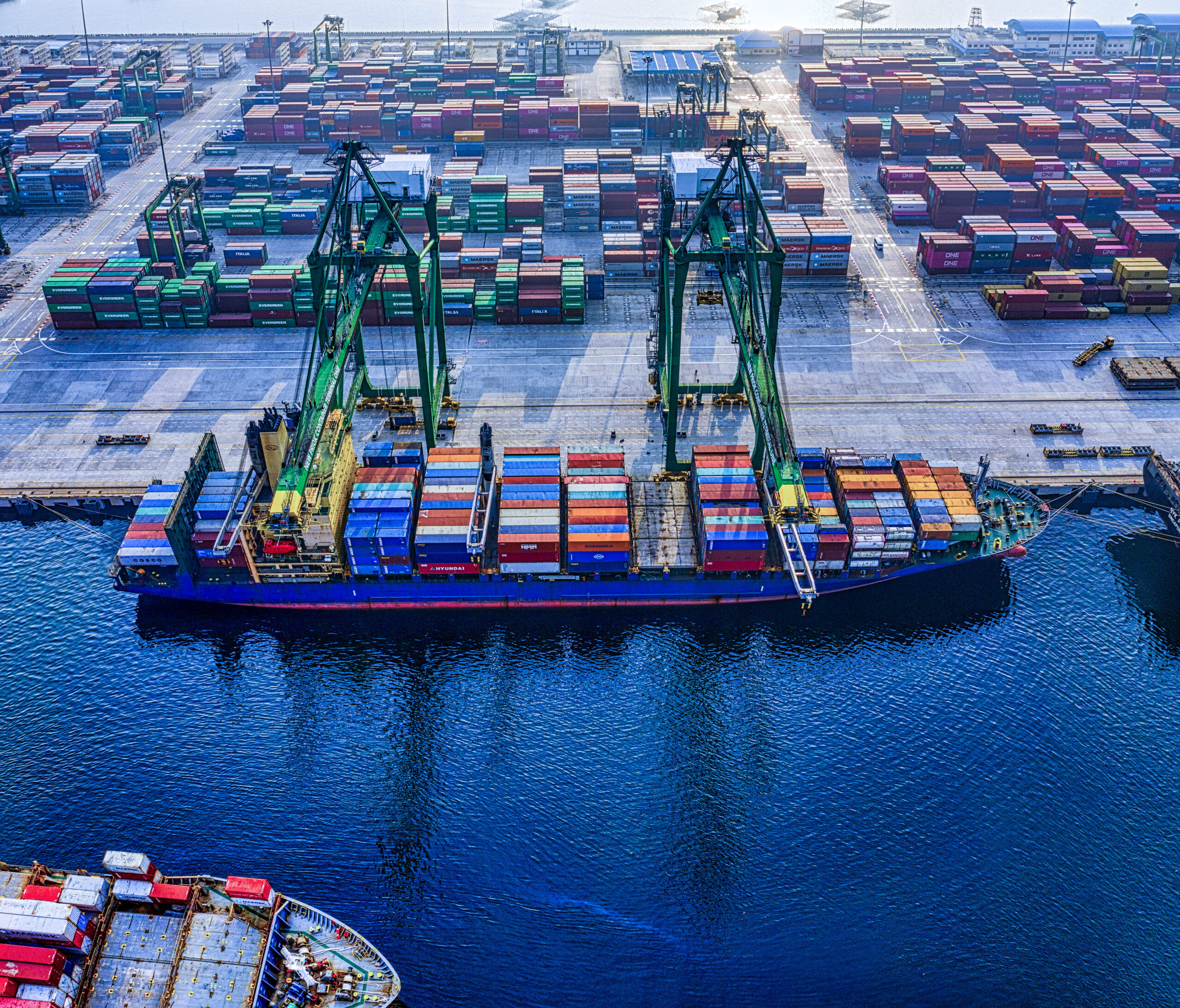
📌 Transport Infrastructure and Defence Spending Priorities
Recent reports suggest that government spending reviews are considering how increased defence investment may impact future infrastructure funding allocations. Industry bodies have highlighted the important role that transport infrastructure plays in supporting economic growth, trade flows, and national resilience. Roads, rail networks, and port access routes remain critical components of the UK’s supply chain network, facilitating the movement of goods and resources across the country. Stakeholders continue to emphasise the value of maintaining investment in transport infrastructure to support efficient logistics operations, improve connectivity, and strengthen long-term supply chain resilience.
📌 Cold Chain Federation Calls for Critical National Infrastructure Status
The UK temperature-controlled logistics sector continues to face a range of operational and environmental challenges. In a recent white paper presented in Westminster, the Cold Chain Federation (CCF) outlined concerns regarding global instability, energy network resilience, and increasing cybersecurity risks affecting food and pharmaceutical supply chains.
With more than half of food consumed in the UK relying on chilled or frozen distribution networks, the CCF has called for the sector to be formally recognised as Critical National Infrastructure (CNI). The Federation believes that such recognition would help strengthen preparedness and support coordinated planning across government and industry. Industry leaders are also encouraging continued collaboration between departments and stakeholders to enhance resilience and support the secure movement of essential goods.
📌 Freight Rate Update: Early Peak Demand Drives Asia-Europe Surcharges
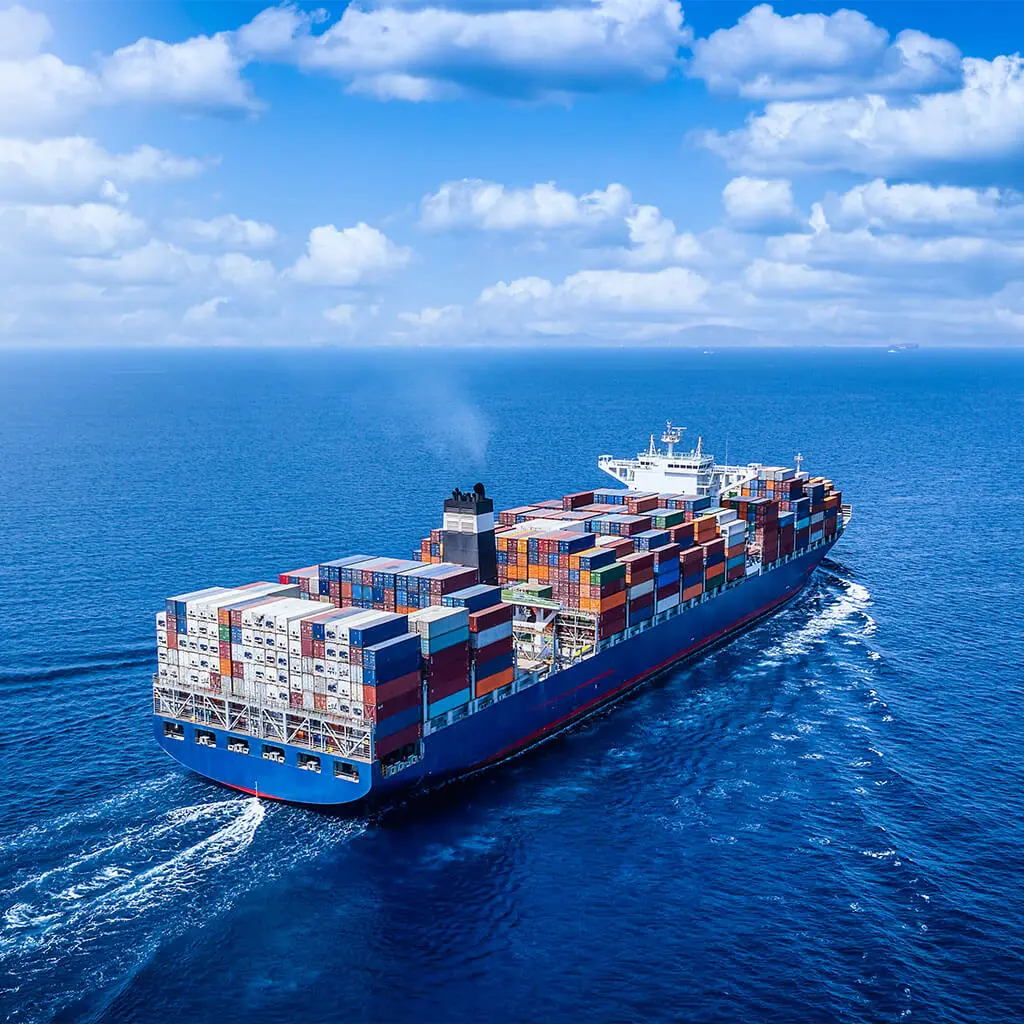
UK importers are facing significant increases in freight rates across several global trade lanes. Market conditions continue to be influenced by ongoing disruption to Middle East transit routes alongside increased seasonal inventory demand. Several major carriers, including Maersk, have announced increases to Peak Season Surcharges (PSS) and revised Freight All Kinds (FAK) rates, with changes taking effect during June.
Industry analysts report that many businesses are bringing shipments forward to secure vessel capacity, contributing to stronger-than-expected demand and an earlier start to the traditional peak shipping season. For businesses managing international supply chains, monitoring carrier announcements and reviewing shipment schedules will remain important in the weeks ahead.
Related Posts



Recent Posts
To read more of our news and updates please visit our page


 English
 Dutch
 French